What Material Is Best for Dental Crowns in Oxnard CA?
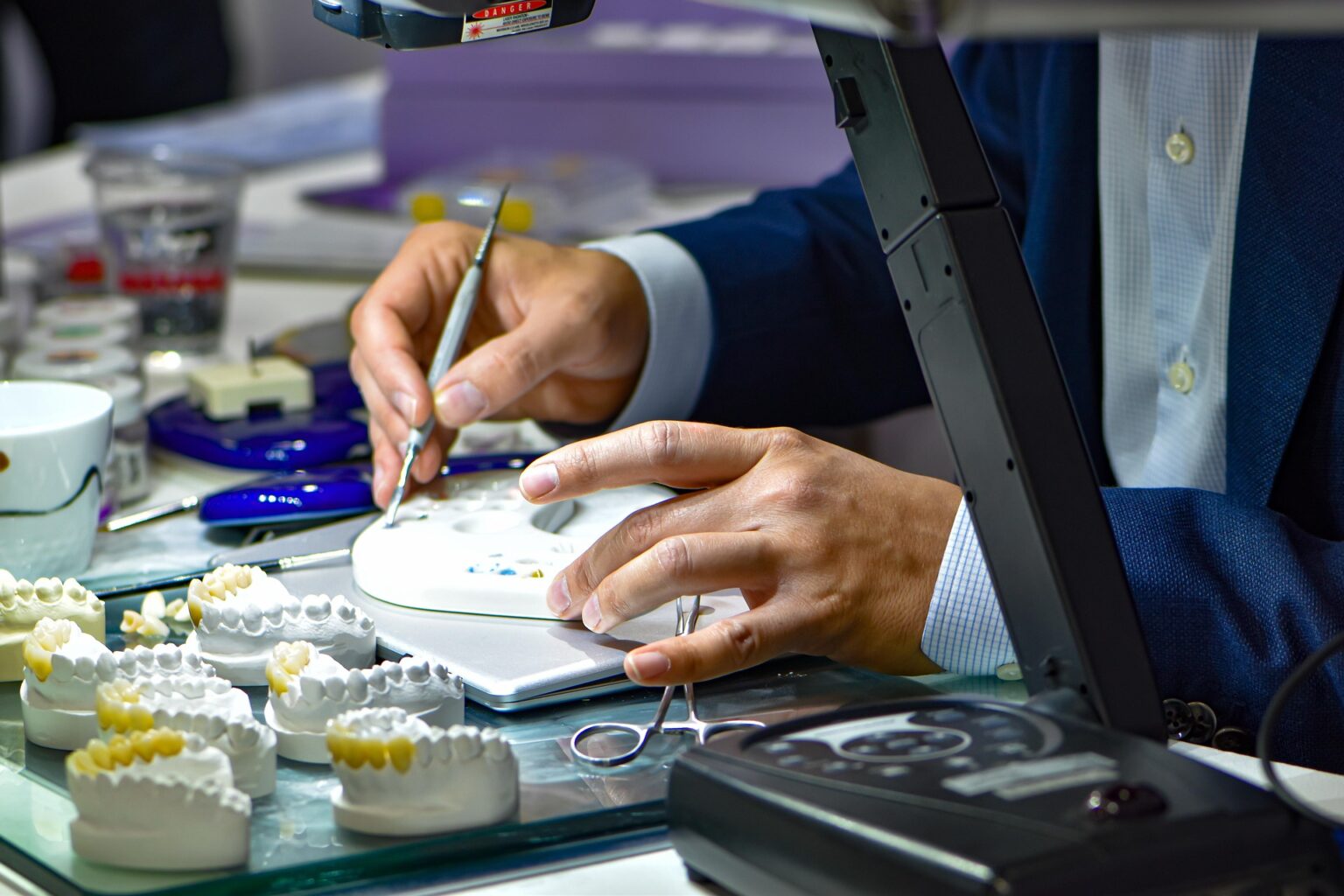
Choosing a crown sounds simple until you are sitting in the chair and your dentist asks whether you want porcelain, zirconia, gold, or a porcelain-fused-to-metal restoration. At that point, most people realize they were prepared to hear that they needed a crown, but not prepared to decide what it should be made of.
That choice matters. The best material for a dental crown is not the same for every tooth, every bite, or every budget. A front tooth that shows when you smile has very different demands than a back molar that absorbs years of grinding pressure. A patient with a heavy clench has different needs than someone restoring a chipped tooth after a root canal. Even where you live can shape the conversation. In a place like Oxnard, where patients often want durability, natural appearance, and practical value at the same time, crown selection is rarely one-size-fits-all.
If you are researching Dental Crowns Oxnard CA, the most useful answer is this: the best crown material depends on where the tooth is, how hard you bite, how much natural tooth remains, and how important cosmetics are to you. Still, some materials consistently perform better in certain situations. Understanding those patterns makes the decision a lot less confusing.
Why crown material matters more than most people expect
A crown is more than a cap placed over a damaged tooth. It becomes the new outer surface of that tooth, which means it has to handle everyday chewing forces, temperature changes, saliva, wear from neighboring teeth, and the constant demand to fit comfortably with your bite.
Patients often focus first on color, which is understandable. Nobody wants a restoration that stands out. But from a clinical standpoint, appearance is only one part of the decision. Strength, thickness requirements, how much tooth reduction is needed, and how the material behaves over time are just as important.
A crown that looks beautiful but fractures under normal chewing is not a good choice. A crown that is nearly indestructible but too opaque for a front tooth may also be the wrong fit. The goal is not to choose the fanciest material. The goal is to choose the right material for that specific tooth in that specific mouth.
Dentists who place crowns regularly see this play out in very practical ways. A patient may come in convinced they need the strongest possible crown, only to discover that their front tooth would look much better in a more translucent ceramic. Another may ask for the most aesthetic option on a lower molar that almost nobody will ever see, where a stronger material would likely serve them longer.
The main materials used for dental crowns
Modern crown dentistry usually revolves around four categories: all-porcelain or all-ceramic crowns, zirconia crowns, porcelain-fused-to-metal crowns, and gold or other metal alloy crowns. Each has a place. None is universally perfect.
All-ceramic crowns are often chosen for their lifelike appearance. They can mimic natural enamel extremely well, especially on front teeth. They reflect light in a way that looks less flat and less artificial than some stronger but more opaque materials.
Zirconia crowns have become very popular because they combine tooth-colored appearance with impressive strength. Not all zirconia is identical, though. Some formulations are stronger and more opaque, making them excellent for molars. Others are layered or more translucent, improving aesthetics while sometimes trading away a bit of raw toughness.
Porcelain-fused-to-metal crowns were once the workhorse of restorative dentistry. They still have uses, but they are less dominant than they used to be. These crowns have a metal substructure with porcelain baked over it. They can be strong, but over time the porcelain can chip, and in some cases a dark line may become visible near the gumline.
Gold and high noble metal crowns remain some of the most durable restorations in dentistry. They are incredibly kind to opposing teeth and tend to wear in a predictable way. Their obvious drawback is appearance. Most patients do not want a gold-colored crown in a visible area, but on a back molar, especially in a patient who values longevity above cosmetics, gold still deserves respect.
For front teeth, appearance often leads the discussion
When restoring a front tooth, aesthetics matter in a way they simply do not for most back teeth. Shape, color, translucency, and surface texture all affect whether the crown blends into the smile or announces itself.
For that reason, many dentists favor all-ceramic materials for incisors and canines, especially when the patient has a high smile line or thin, translucent natural teeth. Well-made ceramic crowns can reproduce subtle details that make a tooth look real rather than manufactured. The difference is not always obvious in a sample tray, but it becomes clear under daylight and in photographs.
That said, the prettiest material is not automatically the best if the patient has a deep overbite, a history of chipping front teeth, or habits like nail biting and pen chewing. In those cases, a stronger ceramic or zirconia-based option may be more appropriate, even if it requires some compromise in translucency.
This is one of those places where real-world judgment matters. A crown is not viewed in isolation. It has to match the neighboring teeth, work within the bite, and hold up over time. A front crown can look slightly less luminous on day one and still be the better choice if it means the patient is less likely to return with a fracture a year later.
For back teeth, strength usually becomes the priority
Molars and premolars take the brunt of chewing force. If you have ever cracked a tooth on popcorn kernel fragments, hard nuts, or ice, it was probably not a front tooth. Back teeth are where crown material often earns its keep.
For many molars, zirconia is now the most common recommendation. It is durable, tooth-colored, and suitable for patients who generate heavy bite pressure. In many cases, zirconia also allows for a more conservative preparation than some older ceramic systems, meaning the dentist may not have to remove quite as much tooth structure.
Gold remains an excellent choice for back teeth, particularly second molars that are hard to see. From a purely functional perspective, a well-made gold crown is hard to criticize. It tends to last a very long time, resists fracture, and wears smoothly against the opposing tooth. Some dentists still consider it the gold standard, literally and figuratively, for certain molars.
Porcelain-fused-to-metal crowns can also work in posterior areas, but they have become less common as zirconia technology has improved. The concern with PFM crowns is often the porcelain layer. If the bite is unfavorable or the crown is under repeated stress, that outer porcelain can chip.
Zirconia has become the default for many cases, but not all
If there is one material that dominates current discussions about crowns, it is zirconia. That popularity is not hype. It has real advantages. It is strong, versatile, and generally appealing to patients who want a metal-free option without sacrificing durability.
In clinical use, zirconia performs especially well for patients who grind or clench, for molars under high force, and for situations where there is limited space between upper and lower teeth. It can often succeed where more brittle ceramics might struggle.
Still, zirconia has trade-offs. Some versions can appear slightly more opaque than natural enamel. Skilled labs can do a lot with contour, staining, and layering, but material science sets limits. If your front tooth has very translucent edges and complex internal color, a traditional esthetic ceramic may still look more natural.
There is also the issue of opposing tooth wear. This topic gets oversimplified. People sometimes hear that zirconia “wears down the other teeth,” but the reality is more nuanced. A properly polished zirconia crown can be quite friendly to the opposing tooth. A rough or poorly finished surface is more problematic. In other words, craftsmanship matters almost as much as material selection.
Ceramic crowns excel when realism matters most
When patients point to a single front tooth and say, “I just want it to disappear into my smile,” they are usually describing the strength of premium ceramic work. The best ceramic crowns can carry depth, translucency, and a vitality that is hard to duplicate.
This is especially relevant for patients with cosmetic expectations shaped by close-up phone photos, video calls, and whitening treatments. People notice their teeth differently now. A crown that would have looked excellent ten years ago may feel too flat or opaque to a patient who sees themselves on screen every day.
There are limits, of course. Ceramics can be more vulnerable to fracture under certain bite conditions. They also require careful planning if the underlying tooth is dark from a root canal, a metal post, or old staining. Sometimes the ideal cosmetic material needs support from internal whitening, core buildup adjustments, or an opaque layer to mask discoloration.
Those are not reasons to avoid ceramic crowns. They are reasons to plan carefully. The material is only as good as the diagnosis behind it.
Porcelain-fused-to-metal still has a role, though a smaller one
PFM crowns are no longer the automatic answer they once were, but they are not obsolete. In some cases, they remain useful, especially when a dentist needs a balance of strength and moderate aesthetics or when replacing older PFM work to match existing restorations.
Patients who have had crowns for twenty years often have one or more PFMs that served them quite well. The downside usually emerges with time. Gum recession can expose the metal margin and create a gray shadow. The porcelain can chip from the metal substructure. The tooth can end up looking more artificial than a modern ceramic alternative.
In short, PFM crowns are dependable but less elegant than newer options. If a patient places high value on natural appearance, especially in visible areas, PFM is often no longer the first recommendation.
Gold crowns deserve more respect than they usually get
Gold crowns are one of those solutions that dentists admire more than patients do. From a functional standpoint, they are excellent. They fit well, last a long time, and tend to be forgiving in difficult bite situations. They also require less aggressive wear on opposing teeth than many people assume.
So why are they less common? Mostly because of aesthetics. Many patients simply do not want visible metal in their mouths. That is a reasonable preference. Still, for a far-back molar, particularly in someone with a strong bite or a history of breaking ceramic, gold can be one of the smartest choices available.
There is also a practical point worth mentioning. Sometimes the “best” crown is not the one that wins a cosmetic contest. It is the one that quietly functions for fifteen or twenty years with minimal drama. Gold has that kind of track record.
The best material also depends on what is happening underneath
Not every tooth receiving a crown starts from the same condition. A tooth that has had a root canal is different from a vital tooth with a small fracture. A badly broken tooth with a large filling is different from a tooth that mainly needs cosmetic reshaping.
If very little natural tooth remains, the crown material may need to prioritize strength and retention. If the tooth is dark, the material may need enough opacity to hide discoloration. If the margin of the crown sits in a highly visible zone, the transition at the gumline becomes critical.
This is where blanket advice tends to fail. Two people can both need a crown on a first molar, yet one does best with zirconia and the other with gold. Two people can both need a front crown, yet one benefits from layered ceramic and the other from a stronger zirconia-based restoration because of their bite.
The crown does not exist apart from the tooth. It is part of a system that includes the root, the gumline, the opposing arch, and the patient’s habits.
Your bite may matter more than your preference
A patient can love the idea of a certain material, but the bite often gets the final vote. Deep bites, crossbites, edge-to-edge incisal contact, and nighttime grinding all change the equation.
Dentists in everyday practice see a recurring pattern: the restorations that fail early are often not made from “bad” materials. They are placed into a difficult bite without enough adjustment, enough thickness, or enough protection. A person who clenches heavily in their sleep can break a beautiful crown made from a perfectly reasonable material.
That is why occlusal analysis, bite adjustment, and sometimes a night guard are part of the crown conversation. Patients occasionally feel disappointed when they hear they need a guard after paying for a crown, but the two issues are connected. Protecting the restoration is part of protecting the investment.
Cost plays a role, but value is the better question
Dental Crowns Oxnard CAPeople understandably ask which crown material costs more. Fees vary by office, lab, region, insurance contract, and whether the crown is made in-office or by an outside laboratory. Exact numbers differ too much to state universally, but in general, premium esthetic ceramics and some custom lab-fabricated restorations may cost more than simpler alternatives.
That said, the cheapest crown is Dental Crowns Oxnard CA not always the least expensive over time. If a lower-cost crown chips, looks poor, or needs replacement early, the long-term value may be worse. On the other hand, paying extra for the most cosmetic material on a tooth that almost never shows may not be the best use of your budget either.
A better question than “What is the most expensive?” is “What gives me the best combination of fit, appearance, and durability for this tooth?” That is where thoughtful treatment planning pays off.
Questions worth asking before you decide
If you are comparing options for Dental Crowns Oxnard CA, a good consultation should leave you with clear, specific reasons behind the recommendation. General statements are less useful than tooth-specific explanations.
You may want to ask:
- Why is this material better for this particular tooth?
- How will it look compared with the teeth next to it?
- How long does this type of crown usually last in someone with my bite?
- Am I at risk of chipping or grinding damage?
- Would a night guard help protect it?
Those questions tend to produce better answers than simply asking which material is “best.” Best for what, exactly, is the key.
What many Oxnard patients end up choosing
In practical terms, many patients in Oxnard who need posterior crowns end up choosing zirconia because it offers a strong balance of durability, appearance, and convenience. For visible front teeth, all-ceramic restorations often remain the preferred choice when aesthetics are the top priority. Gold is less common, but still a very smart option for select back teeth, especially in patients who grind. PFM crowns continue to fill occasional needs, though they are no longer the front-runner in many offices.
That pattern makes sense. Most people want their crown to blend in, hold up, and avoid unnecessary maintenance. Zirconia meets that brief for a large percentage of cases. It is not universally superior, but it is often the practical middle ground between beauty and toughness.
So what material is best?
If the question is asked broadly, zirconia is often the best all-around choice for many modern crowns, especially on back teeth. If the question is about a front tooth where beauty is everything, a high-quality all-ceramic crown may be the better answer. If the tooth is a hidden molar in a heavy grinder, gold may still be the wisest material in the room.
That is the honest answer. The best material is not the one with the strongest marketing or the highest price tag. It is the one that suits the tooth, the bite, the smile, and the patient’s priorities.
A good crown should stop feeling like a dental procedure and start feeling like your tooth again. The right material is what makes that possible.
Omni Dental Specialty
1690 E Gonzales Rd
Oxnard, CA 93036, United States
Phone: +1 805-410-9603
FAQ About Dental Crowns Oxnard CA
What is the average cost of a crown in California?
The fee depends on the crown material, tooth condition and any additional treatment. Request an itemized estimate from Omni Dental Specialty after an examination, and confirm insurance benefits before scheduling.
How long do dental crowns last?
Longevity varies with the material, fit, oral hygiene and biting habits. Regular dental reviews help identify wear, damage or decay. A crown does not need replacement solely because it reaches a particular age.
Do teeth go bad under crowns?
Decay can develop in the remaining natural tooth, particularly near the crown margin. Brush with fluoride toothpaste, clean between teeth daily and keep dental appointments. Report new pain or looseness promptly.
Which crown is best for bruxism?
No material suits everyone. Your dentist assesses grinding, tooth position, bite forces and appearance before recommending a crown. A protective appliance may also be recommended to manage stress on the restoration.