How Dental Crowns Restore Damaged Teeth
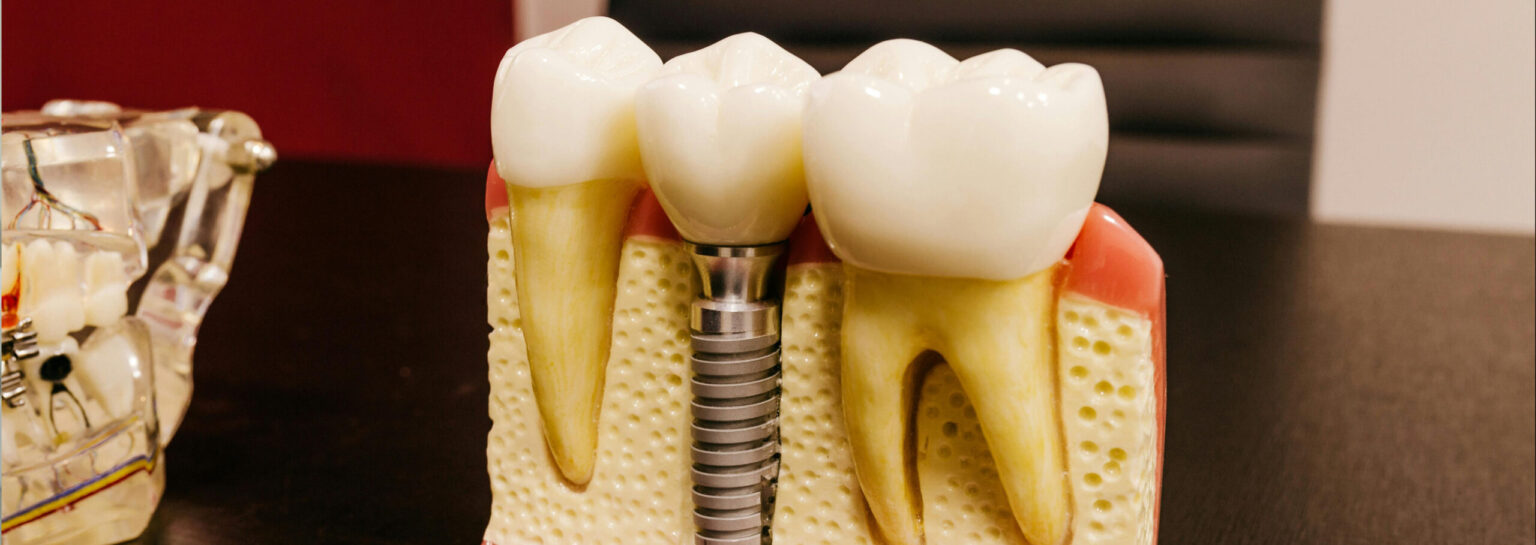
A damaged tooth does not always need to be removed, and it does not always need the most aggressive treatment either. In many cases, the best answer is to keep the natural root, reinforce what remains of the tooth, and rebuild its shape and strength so it can function comfortably again. That is where Dental Crowns play such an important role. A well-made crown can protect a tooth that has been weakened by decay, fracture, wear, or a large filling, while restoring its appearance and helping the bite work as it should.
Crowns are often described in simple terms as caps that fit over teeth. That description is accurate, but it leaves out what matters most in practice. A crown is not just a cover. It is a carefully designed restoration that redistributes chewing forces, seals and protects vulnerable tooth structure, and allows a person to keep using a tooth that might otherwise continue to crack, ache, or break down. When done properly, a crown should not feel bulky or artificial. It should feel like a stable, usable tooth.
Patients are often surprised to learn how many situations call for the same basic solution. The teenager with a badly chipped front tooth, the middle-aged patient who has a molar with a crack after years of grinding, and the older adult whose large filling has reached the end of its lifespan may all need crowns for very different reasons. The diagnosis is rarely about one dramatic event. More often, it is the result of cumulative stress.
What a crown actually does for a damaged tooth
A healthy tooth is remarkably strong, but it has limits. Enamel handles pressure well, yet once a tooth loses too much of its original structure, the remaining walls become vulnerable. Deep decay hollows out the inside. Large old fillings act like wedges over time. Repeated clenching creates microscopic flexing. A root canal treated tooth can function well for years, but it is often more brittle because much of the internal tissue has been removed and the remaining structure may already have been heavily restored.
A crown restores the outer form of the tooth and braces what remains underneath. That support is one of the main reasons crowns are so effective. Think of a cracked ceramic mug wrapped tightly in a fitted sleeve. The sleeve does not erase the crack, but it helps hold the structure together and limits the spreading forces that would make the damage worse. Teeth are more complicated than mugs, of course, because they are alive, they sit in bone, and they experience heavy repeated loading every day. Still, the principle is similar. The crown helps the damaged tooth handle force in a more controlled way.
This matters most when the damage is structural rather than purely cosmetic. A small chip on an edge may be repaired with bonding. Mild wear may be monitored or restored conservatively. But when a tooth has lost enough substance that the cusps are flexing or a crack line is progressing, a filling alone may not be enough. Fillings replace missing material. Crowns protect the whole remaining tooth.
The kinds of damage crowns are meant to address
Dentists recommend crowns for a range of conditions, but the common thread is compromise of strength, function, or predictability. In day-to-day practice, crowns are often used for cases such as these:
- A tooth with a large cavity or failing filling that leaves too little strong tooth structure for another direct filling.
- A cracked tooth that hurts on biting or shows signs of structural weakness.
- A tooth after root canal treatment, especially a back tooth that absorbs heavy chewing pressure.
- A badly worn tooth that has lost height, shape, or proper contact with the opposing tooth.
- A tooth with cosmetic damage severe enough that bonding or veneers would not be durable.
There are judgment calls in every one of those scenarios. Not every root canal treated tooth needs a crown immediately, and not every cracked tooth can be saved by one. The location of the tooth, the person’s bite, how much healthy enamel remains, and whether the crack extends below the gumline all affect the decision. One of the most important parts of crown treatment happens before any drilling begins, when the dentist determines whether the tooth is actually restorable.
Why a filling is sometimes not enough
Patients often ask the right question: if the tooth can be filled, why go to the trouble and expense of a crown? The answer has to do with how force travels through the tooth.
A filling sits within the tooth. A crown encases it. That difference becomes critical when the remaining tooth walls are thin or undermined. If a molar has a filling that spans most of the chewing surface, the cusps on either side may be left unsupported. Every time the person bites into something firm, those cusps flex outward. It may happen so slightly that nothing is noticed for months. Then one day a piece breaks off while eating toast or nuts, often not because the food was unusually hard, but because the tooth had reached its limit.
I have seen patients nurse a tooth along for years with increasingly larger fillings, each one buying a little more time while leaving the tooth slightly weaker than before. Sometimes that conservative approach is appropriate. Sometimes it ends with a fracture that could have been prevented by placing a crown earlier. There is no universal rule, but when a tooth has crossed from repairable defect to structural instability, a crown becomes the more durable choice.
How the crown process works in real life
The treatment itself is straightforward from the patient’s perspective, though the planning behind it is detailed. The tooth is examined clinically and on X-rays, and symptoms matter. A tooth that is merely worn is different from one that is painful on release after biting, which may suggest a crack. If the nerve is healthy and calm, the crown can usually proceed without root canal treatment. If the nerve is inflamed beyond recovery, root canal treatment may need to happen first.
The preparation appointment begins with numbing the area. The dentist reshapes the tooth so the final crown will have space to fit without being too thick or too thin. This step is often what concerns patients most, but the aim is not to make the tooth tiny for its own sake. The aim is to create a strong, clean, precise foundation. Enough tooth must be reduced to allow proper material thickness, especially on biting surfaces, yet as much healthy tooth as possible should be preserved.
An impression or digital scan is then taken. Temporary crowns are commonly used while the definitive crown is being made in the laboratory, unless the office is set up to fabricate certain crowns on the same day. A good temporary matters more than people realize. It protects the prepared tooth, keeps neighboring teeth from shifting, and gives a preview of shape and comfort. If a temporary feels too high or rough, it should be adjusted. Small irritations in the temporary stage often predict what would be annoying in the final crown.
At the delivery appointment, the temporary is removed and the final crown is checked for fit, contour, contacts, color, and bite. The bite check is not a formality. A crown that is even slightly too high can make the tooth sore and overload it, especially if the patient clenches at night. Once everything fits properly, the crown is cemented or bonded into place depending on the material and clinical situation.
Materials matter, but the right choice depends on the tooth
Patients often hear material names without much context: porcelain, zirconia, ceramic, metal, porcelain fused to metal. Each has strengths and limitations. The best choice depends on where the tooth is, how much force it takes, what the cosmetic demands are, and how much room exists between the teeth.
Front teeth usually need a material that reflects light naturally and can match nearby enamel. Back teeth need high strength and resistance to fracture. Zirconia has become popular for molars because it is tough and can work well in heavy-bite patients, though the exact type of zirconia and the design of the crown matter. Glass ceramics can look beautiful and perform very well when used in the right cases, particularly where appearance is a high priority. Metal crowns, though less common now for visible areas, still have a reputation for longevity in certain back teeth because they can be made strong with relatively conservative tooth reduction.
No material is perfect. Highly aesthetic ceramics can chip if pushed beyond their ideal use. Extremely strong materials can be less forgiving for opposing teeth if the bite is off or the surface is rough. The skill of the dentist, the laboratory, and the case selection often matters as much as the material itself.
When crowns save a tooth, and when they cannot
One of the most misunderstood points about Dental Crowns is that they restore teeth, but they do not rescue every damaged tooth. A crown is powerful treatment, not magic. If the decay goes too far below the gumline, if the fracture runs deep into the root, or if there is not enough sound tooth above the bone to hold a restoration predictably, a crown may not be feasible.
The concept of ferrule is worth mentioning here because it strongly affects long-term success. Ferrule refers to having a band of solid tooth structure above the gumline that the crown can grip around. Without enough of that structure, the crown may be sitting on a compromised foundation, and the risk of fracture or loosening rises. Patients sometimes think the crown itself provides all the strength. In reality, the Dental Crowns omnidentalspecialty.com crown and the remaining tooth need each other. A crown on a poor foundation can fail even if the crown is beautifully made.
That is also why build-ups and posts are sometimes discussed. If a large amount of tooth is missing, the dentist may place a core build-up to recreate the internal form. In some root canal treated teeth, a post may be placed into the canal to help retain that build-up. Posts do not strengthen roots by themselves, and if used unnecessarily they can remove valuable internal dentin. They should be placed for specific reasons, not by routine.
What patients usually feel after crown treatment
Most people do well after a crown, but a short adjustment period is normal. The tooth may feel mildly sore at the gumline or tender when chewing for a few days. Cold sensitivity can happen, especially if the nerve is still alive and the tooth had a large amount of work. The gum may also be a little irritated while it settles around the new margins.
There are, however, certain symptoms that deserve attention. Lingering temperature pain, sharp pain when biting, or a sense that the tooth hits first can signal a problem that should be corrected. Many post-crown discomfort issues are not catastrophic. A small bite adjustment often solves them. The key is not to wait too long if something feels off. Teeth and jaw muscles are very sensitive to minor interferences.
In my experience, patients who have lived with a cracked or heavily restored tooth are often struck by one simple change after the crown is placed: they stop thinking about that tooth. The nagging awareness disappears. They can chew on that side without hesitation. That quiet return to normal function is often the clearest sign that the restoration is doing its job.
Longevity, maintenance, and what shortens a crown’s life
Crowns can last many years, often well over a decade, but no dentist should promise a fixed lifespan. Some crowns fail early because of decay at the margin, cement washout, bite stress, or cracks in the underlying tooth. Others last twenty years or more because the oral hygiene is excellent, the fit is good, and the tooth is not overloaded.
A crown is not immune to cavities. The porcelain or metal cannot decay, but the tooth underneath still can, especially at the edge where crown meets tooth. That margin must be kept clean. Patients sometimes relax once a crown is placed, assuming the problem tooth is permanently protected. In reality, the crown lowers certain risks while leaving others very much in play.
A few habits make an outsized difference:
- Clean along the gumline every day with a toothbrush and floss or interdental aids.
- Wear a night guard if you grind or clench, especially if you have multiple crowns or a history of cracked teeth.
- Avoid using teeth as tools for opening packaging or biting non-food objects.
- Return for regular exams so small issues at the margin can be caught early.
- Report new biting pain or looseness instead of waiting for the tooth to break.
Night grinding deserves special mention. Crowns are frequently placed on teeth that were damaged partly because of bruxism in the first place. If that underlying force pattern is ignored, the new crown may be subjected to the same harmful load that damaged the original tooth. A custom guard will not eliminate grinding, but it can protect both the crown and the opposing teeth.
Cosmetic improvement is real, but function comes first
People often associate crowns with cosmetic dentistry, and they can certainly improve appearance. A discolored tooth after trauma, a misshapen tooth that has been rebuilt multiple times, or a front tooth with severe structural loss can often be transformed with a crown. But the healthiest cosmetic result is one grounded in sound function. A crown that looks perfect in the mirror but traps food, irritates the gum, or throws off the bite is not successful dentistry.
The best crown work tends Dental Crowns to go unnoticed by everyone except the patient’s dentist. The gum sits naturally around it. The contacts with neighboring teeth feel normal. The shape supports speech and chewing. The color blends rather than shouts. In visible areas, this often requires careful communication with the laboratory and good shade selection under the right lighting. It also requires restraint. A crown should fit the face and smile, not look like a showroom sample pasted into the mouth.
Cost, value, and the bigger treatment picture
Crowns are not inexpensive, and that reality shapes decisions. When patients hesitate, it is often not because they doubt the diagnosis but because they are weighing timing, budget, and competing priorities. That is understandable. Dentistry sits at the intersection of health and finance more than many people expect.
The value of a crown is easiest to appreciate when compared with the alternatives. Saving a structurally compromised tooth with a crown may cost less, biologically and financially, than waiting for it to split and then needing extraction, grafting, and an implant or bridge. That said, there are situations where placing a crown on a borderline tooth is not money well spent. If the prognosis is poor because of periodontal disease, a deep root fracture, or insufficient remaining tooth structure, a more definitive replacement plan may be wiser.
Experienced treatment planning lives in that gray space. Good dentists do not recommend crowns just because a tooth can physically accept one. They recommend them when the biology, mechanics, and long-term picture line up well enough to justify the investment.
The best outcomes start with timing
One pattern shows up again and again in restorative dentistry: earlier structural intervention is often more conservative than late rescue. A tooth that receives a crown before the remaining cusps split apart is easier to restore than the same tooth after a chunk has fractured off below the gumline. Waiting is not always wrong, but it should be informed waiting, with a clear understanding of the risks.
That is why regular examination matters. Cracks, recurrent decay around old fillings, and signs of tooth flexure are often visible before the patient feels strong pain. By the time pain becomes obvious, the options may be narrower. A crown placed at the right time can preserve a tooth that still has a solid enough foundation to serve for many years.
Dental Crowns remain one of the most reliable ways to restore damaged teeth because they address the real problem in many compromised teeth: loss of structural integrity. When they are chosen thoughtfully, designed well, and maintained properly, they do more than patch damage. They restore confidence in chewing, protect vulnerable tooth structure, and help patients keep natural teeth that still have a future.
Omni Dental Specialty
1690 E Gonzales Rd, Oxnard, CA 93036, United States
+1 805-410-9603
FAQ About Dental Crowns
How long do crowns last on teeth?
A dental crown often lasts about five to fifteen years, although some last longer. Material, the underlying tooth, oral hygiene and grinding habits affect longevity. Regular dental examinations help identify wear, decay or a loose crown; no lifespan is guaranteed.
How much does a tooth crown cost?
There is no single price for every crown. Material, laboratory work, the condition of the tooth and any additional treatment affect the fee. Ask for a written estimate and confirm your insurance benefits, exclusions and out-of-pocket costs before treatment.
What is the downside of crowns on teeth?
A conventional crown usually requires irreversible removal of some tooth structure. Possible problems include sensitivity, chipping, loosening and decay at the crown margin; some teeth later need root canal treatment. Discuss your tooth's condition, material choices and suitable alternatives with your dentist.